
Why Your Pet Acts Different When You're Gone
"She's totally fine at home — I don't know why she acts like that with other people."
I hear this a lot. Pets behave differently depending on who's in the room, what the environment feels like, and whether their person is there to anchor them. As a pet sitter, I get a front-row seat to a version of your pet you rarely see — and sometimes, what I witness surprises even the most attentive pet parents.
So let's talk about what's actually going on when you leave, and why your pet might be a completely different animal in your absence.
Your Presence is Their Safe Place
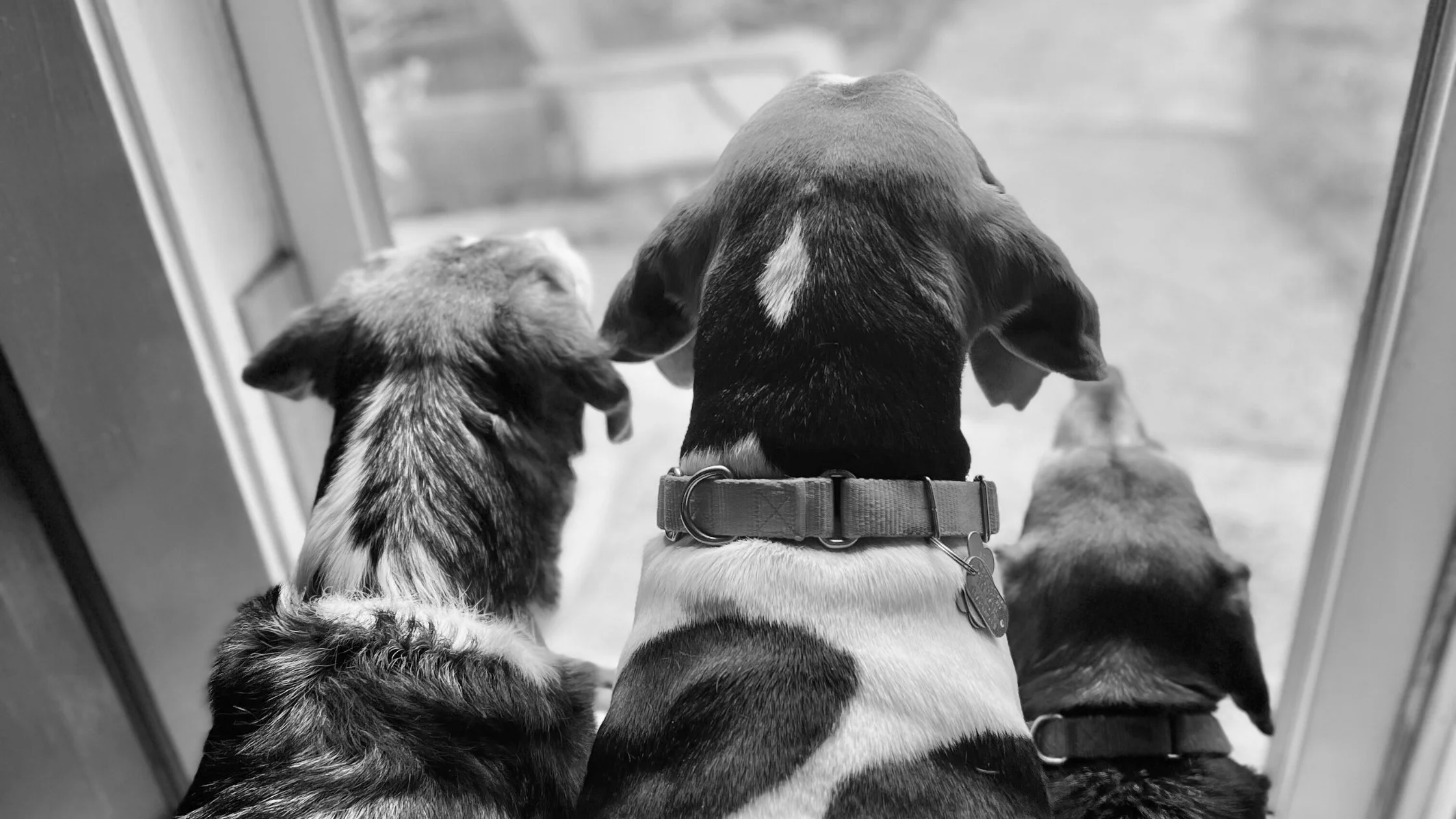
For most pets — especially dogs — you are the center of their world. Not in a dramatic, unhealthy way (though sometimes, yes, that too), but in a very real, neurological way. You are their secure base. When you're home, they regulate their emotions partly through you — your calm, your scent, your predictable routines. When you leave, that anchor disappears, and some pets genuinely don't know what to do with themselves.
This is why a dog who is perfectly chill on the couch when you're home might pace, whine, or refuse to eat the moment you walk out the door. It's not manipulation. It's not spite. It's anxiety — and it's incredibly common.
What We Actually See During Visits
When we arrive for a visit, we're essentially a stranger walking into a pet's home without their person. Even pets who've met us before can take time to warm back up, because context matters. Here's a snapshot of what we commonly see:
Not eating. This is one of the most frequent things we notice. A pet who eats just fine when their owner is home may completely ignore their bowl during our visit - especially on the first full day you're away. Anxiety suppresses appetite — it's a stress response. We have a whole bag of tricks for this (scattered kibble, food toppers, hand-feeding), but sometimes a pet just needs a visit or two before they feel safe enough to eat normally.
Bathroom changes. Stress affects digestion. Loose stools, skipped bathroom trips, or going more frequently than usual are all things we keep an eye on and send updates to the pet parents. It's useful information for your vet, too, if it becomes a pattern.
Shadowing or hiding. Some pets follow us from room to room, needing to keep us in sight. Others disappear entirely and won't come out until we sit quietly and wait. Both are anxiety responses — one is anxious attachment, the other is avoidance. Neither is wrong, they just need different approaches.
Hypervigilance. Some pets spend the entire visit on high alert — ears up, watching the door, startling at sounds. They're not relaxed, even if they're not outwardly distressed. We try to keep visits calm and low-stimulation for these guys.
Personality reversals. This one is always interesting. Sometimes the dog you describe as shy and quiet is bouncy and social with us. Sometimes the "easy" dog shuts down completely. Pets pick up on energy, and they can surprise you.
Separation Anxiety vs. General Anxiety: What's the Difference?
These two things often get lumped together, but they're not the same.
General anxiety means a pet is anxious about a range of things — new people, new environments, loud noises, unpredictable situations. These pets may struggle whether you're home or not.
Separation anxiety is specifically triggered by the absence of their person (or people). These pets are often completely fine when their owner is home and fall apart the moment they leave. Signs include destructive behavior, excessive vocalization, house soiling, and refusing to eat — all things that stop the moment the owner returns.
True separation anxiety can be serious and may need professional intervention — a veterinary behaviorist or a certified trainer who specializes in separation anxiety. It's more than just missing you. It's a genuine panic response.
What You Can Do to Help
You're not helpless in this equation! There's actually a lot pet owners can do to set their pets up for success when a sitter is coming.
Build positive associations early. If possible, have your sitter visit a few times before you actually leave, so your pet gets to meet them while you're still there. That familiarity carries over.
Keep your goodbye low-key. Big emotional farewells — while completely understandable — can actually heighten anxiety. A calm, matter-of-fact exit is kinder than a dramatic goodbye, even if it feels cold.
Stick to routines. Pets find enormous comfort in predictability. Feeding, walking, and bedtime routines that stay consistent (even with a sitter) help reduce uncertainty.
Leave something that smells like you. A worn t-shirt or blanket near their bed can be genuinely comforting for an anxious pet.
Communicate with your sitter. The more we know about your pet's quirks, triggers, and comfort items, the better we can serve them. Never feel like you're oversharing — we want every detail!
A Note on What We Observe vs. What We Report
Part of our job is being your eyes and ears while you're away. We take detailed notes on how your pet is eating, behaving, and responding to visits — because patterns matter. If we notice your dog seems more anxious than usual over several visits, or that something about their behavior has shifted, we'll tell you. That information can be really valuable for your vet or a behaviorist.
You're not flying blind when you leave your pet with us. We've got them — and we'll always keep you in the loop!
Wondering what your pet gets up to while you're away? Ask us about our visit updates — we love keeping pet parents in the know.
— Jessie
